
"from Ethiopia"
20000 article(s) found
Introduction to the hometown of Arabica Coffee and Ethiopia Coffee
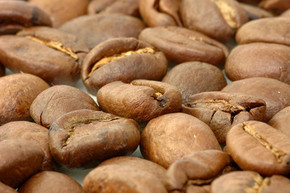
Following caf é (Wechat official account vdailycom) found that Beautiful Caf é opened a small shop of its own Ethiopia is the hometown of Arabica coffee, it is in the forests of the Kaffa region that you can see wild Arabica coffee. In Ethiopian, coffee is called Bun or Buna, and coffee beans (coffeebean) may be turned from Kaffa Bun
Description of Lion King Flavor and aroma in G1 Valley producing area of Sidamo, Ethiopia
Professional baristas exchange please follow the coffee workshop (Wechat official account cafe_style) Ethiopia washed Sidamo G1 Lion King Guji producing area (Ethiopia Sidamo Lion King Washed G1) flavor description: strong lemon and sweet citrus, jasmine, orange, mild, clean and balanced full-bodied fruit sweet, mild, clean and balanced, with a typical Cedar

Is Harald mocha coffee good in Ethiopia? information on Harald coffee producing area
Professional coffee knowledge exchange more coffee bean information please follow the coffee workshop (Wechat official account cafe_style) Ethiopia is the origin of coffee. Once upon a time, there was a town in southern Ethiopia called Kafa, where there were some red fruits. The shepherd found that the sheep was so excited after eating the fruit that they picked it and tasted it, so the fruit was pawned.

Treatment method of Grinding degree and Baking degree of Fine Coffee beans in Coffee Manor (Moka) in Ethiopia
Coffee exports Coffee is Ethiopia's most important export cash crop and a major source of Ethiopia's foreign exchange earnings. Ethiopia's coffee exports account for about 3% of the world market and are the world's eighth largest coffee exporter. Coffee exports increased steadily from 58000 tons in 1990-91 to 110000 tons in 1995-96.

Apart from Yega Xuefei, what other producing areas in Ethiopia? the whole introduction of Ethiopian coffee producing areas.
Professional coffee knowledge exchange more coffee bean information please follow Coffee Workshop (Wechat official account cafe_style) [Ethiopian Coffee producing area] there are nine major coffee producing areas in Ethiopia:, Sidamo, Yegashifi, Hara, Gemma, Lim, Irubarb, Kinby (Lekanti), Tibby, Becca. Among the nine major coffee producing areas in Ethiopia, nothing is more famous than

What are the coffee beans in Ethiopia's export single-product coffee market About African Coffee
Coffee is Ethiopia's most important export cash crop and the main source of foreign exchange earnings. Ethiopia's coffee exports account for about 3% of the world market share, making it the eighth largest coffee exporter in the world. Coffee exports increased steadily from 58,000 tons in 1990-1991 to 110,000 tons in 1995 - 1996 and remained at that level for the next few years. 2
The birthplace of coffee, Ethiopia.
The coffee tree originated in Ethiopia, which was originally a wild plant here, and the name coffee comes from the Ethiopian town of Kaffa. In fact, many coffee trees in Ethiopia are still wild plants, and the coffee grown on this coffee tree is full-grained and slightly alcoholic. Humans may have known how to grow coffee trees as early as the 9th century, but

A brief introduction to the history and culture of the origin and development of sweet Ethiopian boutique coffee beans
Getachew Mengistie, director of Ethiopia's Bureau of intellectual property, bluntly pointed out that farmers sell raw beans for $1.45 a pound, while Starbucks sells for $26 a pound in the United States, 18 times the price difference between the two places. The reason is that Ethiopia does not know how to use intellectual property rights to create value for farmers, as long as the name of Ethiopian high-quality beans, it can be higher than the average in the United States.

The name Coffee comes from kaffa in Ethiopia.
Ethiopia, located in East Africa, means the land inhabited by sun-tanned people in ancient Greek. Ethiopia's common cultural tradition, magnificent scenery, charming climate, rich animal and plant capital, primary places of interest, hospitality and friendly people make it one of the top travel destinations in Africa. Do you know? The root of coffee is in Ethiopia. allegedly
Ethiopia Yega Sheffield Coffee Bean grows Raw Bean G2 Yega Chefe
Ethiopia has the longest history in the world, not only in coffee production and drinking, but also in the world. Most of the production is exported to advanced countries, and unlike other coffee-producing countries, 50% of the coffee produced in Ethiopia is consumed domestically. Nevertheless, more than 60% of Ethiopia's total foreign currency exports still come from the coffee trade, which is enough to replace
Ethiopia Sunlight Sidama G1 Guji Region Lion King Coffee Flavor Taste Aroma Description
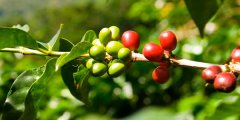
Weixin Official Accounts cafe_style Name: Ethiopia Sidamo Lion King Natural G1 Flavor Description: Strong fruit aroma, cantaloupe, strawberry, peach, delicate blueberry aroma rich fruit flavor, texture such as silky soft

Banchi Maji Boutique Coffee, located in southwest Ethiopia
Bench Maji, located in southwest Ethiopia, not far from neighboring Sudan, is easy to find with Google map search. Gesha Estate, Banqi Magi, although different from Geisha in Panama, is still worth tasting. It is rare in many sun-dried bean areas of Ethiopia. It is characterized by its varied spices and fruit flavors.

A brief introduction to the flavor and taste characteristics of Ethiopian coffee manor with moderate acidity and alkalinity
Harald Coffee this coffee grows in areas ranging from 900m in the Darolebu plain to 2700 m in the highland mountain range of Chercher in eastern Ethiopia. These mountains do provide unique characteristics for these perennial coffee beans: the fruit is full and long, moderately acidic, and the typical mocha is refreshing.

It is an important coffee producing country in Ethiopia.
Today, Ethiopia is an important coffee producer, with about 12 million people engaged in coffee production and a major exporter of Arabica coffee beans in Africa. The high-quality coffee here is of excellent quality and is worth looking for. A variety of coffee cultivation methods can be found in Ethiopia: from wild coffee forests and semi-developed land

What are the characteristics of the Harald coffee producing area in Ethiopia? Sub-Hara producing area of Kafa Forest, Ethiopia
Professional coffee knowledge exchange more coffee bean information please follow the coffee workshop (Wechat official account cafe_style) the characteristics of Harald coffee producing area in Ethiopia? Where is the sub-Hara producing area of the Kafa forest in Ethiopia? Geographically located south of the Tropic of Cancer (latitude 5 to 15), close to the equator, belongs to tropical and subtropical climate patterns, most areas are located in

Introduction to the quality characteristics of Coffee Bean Flavor description treatment method in Cedamo Lion King
Coffee is Ethiopia's most important export cash crop and the main source of Ethiopia's foreign exchange earnings. Ethiopia's coffee exports account for about 3% of the world market, making it the eighth largest coffee exporter in the world. Coffee exports increased steadily from 58000 tons in 1990 to 110000 tons in 1995-96, and remained at this level in the following years.

A boutique coffee bean in southwest Ethiopia.
Bench Maji, located in southwest Ethiopia, not far from neighboring Sudan, is easy to find with Google map search. Banki Magi Gesha Estate has a different flavor from Geisha in Panama, but it is still worth tasting. It is rare in Ethiopia's sun-dried bean region. The variety of spices and fruits is very rare. This estate is
World famous Coffee Tour: Yega Snow Coffee, Ethiopia (part two)
[product name]: Ethiopia Ethiopia Yirgacheffe [quality rating]: WP Grade 2 [baking]: recommended moderate baking (Medium Roast or City Roast) [grade]: excellent [granule]: ★ full [acidity]: ★★★★ slightly sour, dark chocolate aftertaste [balance]: ★★★★ is very stable

Introduction to the Price varieties of Coffee beans in Xidamo Shachiso, Ethiopia
The price of coffee beans in Xidamo Chiso, Ethiopia. Washed coffee accounts for 35% of exports. Good quality washed coffee is processed with freshly picked fully ripe fruit, picked carefully and closely monitored by professionals. The picked clean coffee beans are pulped on the day of picking, then fermented, washed, dried and peeled. Processed coffee beans are wet
Ethiopian peach coffee [Nekisse N2 L12 Ethiopia]
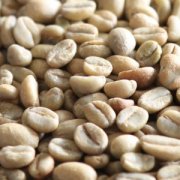
Nekisse N2 L12 Ethiopia named the coffee after Nectar from Shakisso in 2009, meaning it has the same flavor as nectar from the town of Shachiso in Hidamo province, Ethiopia. Nekisse is characterized by a creamy and smooth taste, a strong berry sauce, and some batches even have mixed flavors of citrus and a variety of tropical fruits. Although at first,